Discovering Scenic Point: A Must-Visit Vista in Glacier National Park
Nestled within the breathtaking Glacier National Park, Scenic Point offers an unparalleled blend of historical intrigue, ecological significance, and, as its name suggests, truly spectacular photographic opportunities. For adventurers seeking a rewarding hike and awe-inspiring panoramas, this particular scenic point in Glacier National Park is a gem waiting to be explored. But beyond its obvious beauty, the trail also reveals a poignant story of environmental struggle, particularly concerning the iconic whitebark pine.
The journey to Scenic Point begins at a dedicated parking area, conveniently situated 2.7 miles west of the Two Medicine entrance station. While relatively spacious, this lot can fill up quickly, especially on days featuring ranger-led programs. From here, hikers embark on the historic Mt. Henry Trail, a path that has witnessed over a century of footsteps and stories, leading adventurers deeper into the heart of Glacier's rugged beauty.
The Ascent to Grandeur: Navigating the Mt. Henry Trail
The Mt. Henry Trail, the primary route to Scenic Point, is steeped in history. Its origins trace back to 1913, when the Great Northern Railway commissioned its construction. The goal was to forge a more accessible link between their prominent properties: the grand Glacier Park Lodge and the charming Two Medicine Chalets. Today, this historic route continues to serve as a vital artery for hikers, and even forms a segment of the epic Continental Divide Trail, which stretches from the Mexican border all the way to Waterton Park in Canada.
The initial stretch of the trail offers a gentle introduction. Approximately six-tenths of a mile from the trailhead, hikers will encounter a short side trail leading to Appistoki Falls. A quick detour of about a hundred yards will bring you to a refreshing viewpoint, making it a worthwhile stop to admire the cascade before continuing your ascent.
Shortly after the falls, the landscape dramatically transforms as hikers emerge above the treeline, entering an open expanse that characterizes much of the remaining journey to Scenic Point. This is where the real climb begins, marked by roughly 16 switchbacks that steadily gain elevation. With each turn, the views become more expansive, revealing the sprawling Appistoki valley and basin, flanked by the formidable 8164-foot Appistoki Peak to the west and the towering 8847-foot Mt. Henry to the south. This continuous revelation of grandeur makes the climb an experience in itself, offering ever-improving vistas that build anticipation for the final destination.
Capturing the Panorama: Best Photo Opportunities at Scenic Point
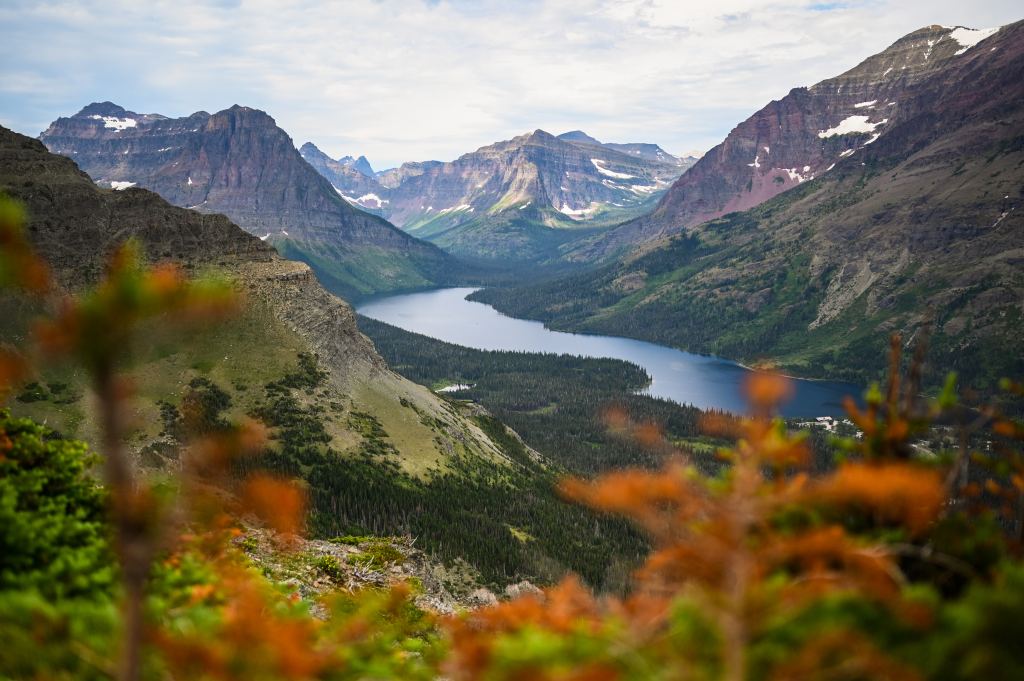
For photographers and view-seekers alike, the journey to this scenic point in Glacier National Park offers abundant rewards. As you climb higher along the Mt. Henry Trail, the views of Two Medicine Lake become increasingly dramatic and photogenic. It's a key insight for shutterbugs: the perspective of the lake from various points along the trail, particularly during your ascent, often surpasses the view from Scenic Point itself. To capture the lake at its most enchanting, aim for a morning hike; the softer light and absence of harsh shadows create superior photographic conditions compared to an afternoon return.
At approximately 3.1 miles, you'll reach a saddle, offering your first thrilling glimpse of Scenic Point itself towards the northeast. From here, you can follow the rim of the bowl, where a distinctive rock ledge juts out towards the north – a classic photo op. The path then tracks along a fairly narrow ledge as it traverses the top of the bowl. While the drop-offs here are undeniably steep, they are generally less sheer than those found on the notoriously exposed Highline Trail, offering a good balance of thrill and accessibility. However, early season hikers should always be mindful of lingering snow patches that can obscure the trail and make footing treacherous.
Photography Tips for the Trail:
- Morning Light is Gold: For breathtaking shots of Two Medicine Lake and the surrounding peaks, aim to hike in the morning. The soft, angled light enhances textures and reduces harsh shadows.
- Wide-Angle Wonders: A wide-angle lens is ideal for capturing the expansive landscapes, deep valleys, and towering peaks.
- Look Back: Don't forget to periodically turn around! Some of the most stunning views, especially of Two Medicine Lake, unfold behind you as you gain elevation.
- Safety First: When composing your shots near ledges or steep drop-offs, always prioritize safety. Stay on marked trails and maintain awareness of your surroundings.
- Consider a Tripod: If you plan to be on the trail during sunrise or sunset, a lightweight travel tripod can help you capture crisp, long-exposure landscape shots.
For a more detailed breakdown of the route and what to expect on your hike, check out our companion article: Hike to Scenic Point Glacier National Park: Trail Guide & Tips.
The Silent Crisis: Whitebark Pine and the Ghost Forest
Beyond the stunning vistas, the trail to Scenic Point also reveals a poignant ecological narrative. Approximately one mile from the trailhead, hikers enter a striking "ghost forest" – a landscape dominated by the skeletal remains of dead whitebark pines. This stark sight is the result of white pine blister rust, a devastating fungal disease accidentally introduced from Europe around 1900.
The impact on Glacier National Park's ecosystem has been profound. According to park data, nearly half of the park's original whitebark pine population has already succumbed to the disease. The outlook for the remaining trees is equally grim, with estimates suggesting that over 75% are already infected and projected to die within the next two decades. This isn't merely a loss of a single tree species; whitebark pines are a critical keystone species in high-altitude ecosystems.
Their large, nutritious seeds are a vital food source for numerous wildlife species, including grizzly bears, black bears, and Clark's Nutcrackers, which play a crucial role in dispersing the seeds. The loss of these trees can have cascading effects, impacting wildlife populations, altering forest structure, increasing erosion, and even affecting snowmelt patterns. The ghost forest serves as a powerful, somber reminder of the delicate balance of nature and the long-term consequences of human-introduced pathogens.
Planning Your Unforgettable Visit to Scenic Point
A visit to this particular scenic point in Glacier National Park promises an unforgettable experience, blending historical exploration with breathtaking natural beauty and a sobering look at environmental challenges. To ensure a safe and enjoyable trip, careful planning is essential:
- Getting There: The Scenic Point parking area is located 2.7 miles west of the Two Medicine entrance. Arrive early, especially during peak season, to secure a spot.
- Best Time to Visit: The trail is typically accessible from late spring through early fall. Always check current trail conditions and weather forecasts with the National Park Service before heading out, as snow can linger into early summer.
- What to Bring: Pack plenty of water, high-energy snacks, and wear layers of clothing as weather conditions can change rapidly in the mountains. Sunscreen, a hat, and sunglasses are crucial due to the exposed nature of much of the trail. Don't forget your camera gear and, for safety, consider carrying bear spray.
- Leave No Trace: As always in national parks, practice Leave No Trace principles. Pack out everything you pack in, stay on marked trails, and respect wildlife.
For a deeper dive into the historical significance and construction of the trail, be sure to read our article: Uncovering Scenic Point: Glacier NP's Historic Mt. Henry Trail.
Conclusion
The journey to Scenic Point in Glacier National Park is more than just a hike; it's an immersive experience that weaves together the grandeur of the Rockies with a rich tapestry of history and ecological insight. From the stunning vistas perfect for photography to the stark reality of the whitebark pine crisis, this trail offers a comprehensive understanding of what makes Glacier National Park so special, and so vulnerable. By venturing to this iconic viewpoint, visitors not only witness unparalleled beauty but also become part of an ongoing story, inspiring a deeper appreciation and commitment to preserving these invaluable wild spaces for generations to come.
