Hike to Scenic Point Glacier National Park: Your Ultimate Trail Guide & Tips
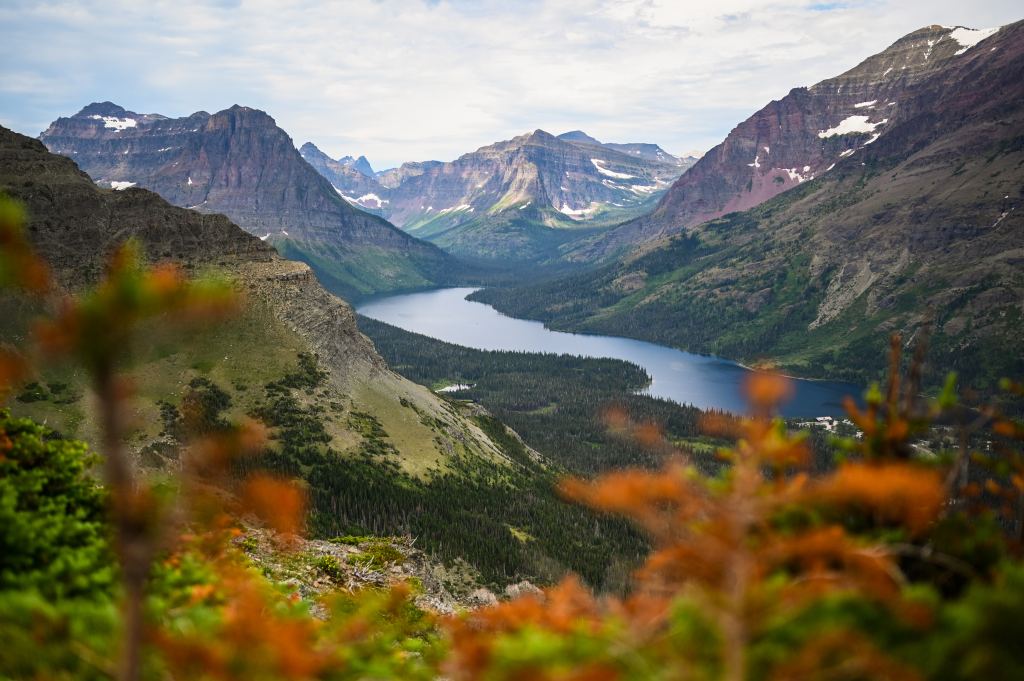
Imagine standing atop a rugged mountain saddle, windswept and breathless, gazing out at a panorama of glacial-carved valleys, a shimmering turquoise lake, and the majestic peaks that define the grandeur of Glacier National Park. This isn't just a daydream; it's the reward awaiting those who embark on the unforgettable journey to Scenic Point in Glacier National Park. This challenging yet incredibly rewarding hike offers not only spectacular views but also a fascinating glimpse into the park's natural and historical tapestry.
More than just a destination, the trail to Scenic Point is an experience in itself, leading you through diverse ecosystems, past roaring waterfalls, and into the heart of the Two Medicine region. While the elevation gain is significant, every step upwards unveils a new vista, making it a favorite among experienced hikers seeking solitude and breathtaking beauty. If you're ready to conquer one of Glacier's hidden gems, read on for everything you need to know about this iconic trail.
Navigating Your Start: Trailhead, Parking, and History of the Mt. Henry Trail
Your adventure to Scenic Point in Glacier National Park officially begins at the Scenic Point parking area, strategically located approximately 2.7 miles west of the Two Medicine entrance station. While the lot is generously sized, don't underestimate its popularity. On peak days, or especially if a ranger-led hike to Scenic Point is scheduled, parking can fill up quickly. Arriving early in the morning, particularly during summer, is your best strategy to secure a spot and ensure a smoother start to your day.
The primary path you'll follow for the majority of this hike is the historic Mt. Henry Trail. This isn't just any mountain path; it's a testament to early 20th-century ambition. Commissioned in 1913 by the Great Northern Railway, the trail served a vital purpose: facilitating easier transportation and connection between their two grand properties, the Glacier Park Lodge and the Two Medicine Chalets. Imagine the early explorers and visitors traversing these very same routes, admiring the raw beauty that captivated them then, just as it does us today.
Adding another layer of significance, the Mt. Henry Trail also forms a segment of the monumental Continental Divide Trail (CDT). This epic long-distance trail stretches from the Mexican border in New Mexico, winding its way thousands of miles north all the way to Waterton Park in Canada. As you hike, you're not just on a local trail; you're momentarily part of one of North America's most significant wilderness routes, tracing the backbone of the continent.
Ascending to Grandeur: Key Landmarks and Ever-Changing Vistas
The journey to Scenic Point in Glacier National Park is a mosaic of natural wonders, each turn offering a new perspective and landmark to discover:
Appistoki Falls: A Refreshing Detour
Roughly six-tenths of a mile from the trailhead, you'll encounter a short side trail leading to the picturesque Appistoki Falls. This quick detour is highly recommended; a mere hundred yards or so from the junction will bring you to a stunning viewpoint of the cascading waters. It’s a perfect early reward and a chance to stretch your legs before the real ascent begins.
Above the Treeline and the Switchback Challenge
Just beyond Appistoki Falls, the landscape undergoes a dramatic transformation. Hikers emerge above the treeline, leaving the dense forest behind for expansive, open terrain that will characterize much of the remaining hike. From this point forward, the trail truly begins to climb in earnest. Prepare for a series of roughly 16 switchbacks, meticulously carved into the mountainside, designed to help hikers gain elevation steadily. While these can feel relentless, they offer crucial breaks in the steepness and provide ever-improving views.
Panoramic Views of Appistoki Valley and Basin
As you gain altitude over the next couple of miles, the vistas become increasingly breathtaking. You'll be treated to outstanding views of the Appistoki Valley and the vast Appistoki Basin. This dramatic landscape is cradled between the formidable 8164-foot Appistoki Peak to the west and the towering 8847-foot Mt. Henry to the south. The scale of the scenery is truly humbling, offering a profound sense of wilderness.
The Haunting Beauty of the Ghost Forest
Approximately one mile into your hike, you'll pass through a poignant "ghost forest" of dead whitebark pines. This stark landscape is a visible testament to the devastating impact of white pine blister rust, a non-native fungal disease accidentally introduced from Europe around 1900. According to park data, nearly half of Glacier's original whitebark pine population is already gone, and it's estimated that over 75% of the remaining trees are infected and likely to succumb within the next two decades. This segment of the trail serves as a powerful reminder of the fragility of even the most robust ecosystems and underscores the importance of conservation efforts. For more on this critical issue and other photographic opportunities, consider reading Glacier's Scenic Point: Best Photo Spots & Whitebark Pine Crisis.
The Unrivaled Views of Two Medicine Lake
As you continue your ascent, the views of Two Medicine Lake improve dramatically with every foot of elevation gained. The shimmering expanse of the lake, cradled by mountains, becomes an increasingly prominent and stunning feature of the panorama. It's a widely shared secret among seasoned hikers that the view of the lake from the trail, particularly on your way up in the morning, is actually far superior to the perspective from Scenic Point itself. For that perfect shot of Two Medicine Lake, morning light often offers the best conditions, with softer angles and fewer shadows, making it an ideal time to capture that postcard-worthy image.
The Summit Experience: Reaching Scenic Point
Your diligent climb culminates at the breathtaking Scenic Point in Glacier National Park. At roughly 3.1 miles into the hike, you'll ascend to a saddle, which offers your very first glimpses of Scenic Point towards the northeast. This initial view is a powerful motivator for the final push.
From the saddle, the path guides you along the rim of a dramatic bowl, revealing the iconic rock ledge that juts out boldly towards the north. This is the very essence of Scenic Point. Climbing just a short distance above the saddle will complete the majority of the elevation gain for this strenuous hike. From here, the trail transforms into a narrow ledge, traversing carefully around the top of the bowl. While the drop-offs on this section are indeed steep and command respect, they are generally not as sheer or exposed as those found on trails like the Highline Trail, offering a slightly less unnerving experience for those wary of heights.
However, early season hikers should exercise particular caution. Snow can linger on these higher, exposed sections well into late spring or early summer, making the narrow ledge potentially treacherous. Always check trail conditions before you head out. Once you reach the absolute pinnacle, the panoramic rewards are immense: sweeping views of the Two Medicine region, the vastness of Glacier National Park, and the profound silence of the high country. It's a moment of profound accomplishment and unparalleled natural beauty.
Essential Tips for Your Scenic Point Adventure
To ensure a safe and enjoyable trek to Scenic Point in Glacier National Park, keep these practical tips in mind:
- Early Bird Gets the Worm (and Parking!): As mentioned, parking at the trailhead can be competitive. Arrive before 8 AM, especially on weekends or during peak season (July-August), to secure a spot and enjoy cooler temperatures for your ascent.
- Hydration is Key: This is a strenuous hike with significant elevation gain, often exposed to the sun. Carry at least 2-3 liters of water per person.
- Layer Up: Mountain weather is unpredictable. Start with layers you can shed as you warm up, and have warmer layers for the cooler, higher elevations and the summit. A rain shell is always a good idea.
- Sun Protection is Non-Negotiable: Much of the upper trail is above the treeline, offering little shade. Bring sunscreen, a wide-brimmed hat, and sunglasses.
- Bear Smart: Glacier National Park is prime grizzly and black bear country. Carry bear spray, know how to use it, and make noise on the trail, especially in wooded sections.
- Sturdy Footwear: Good quality hiking boots with ankle support and excellent traction are essential for the uneven terrain and switchbacks.
- Pace Yourself: Don't rush. The elevation gain is substantial. Take breaks, enjoy the views, and listen to your body.
- Leave No Trace: Pack out everything you pack in. Stay on marked trails to protect fragile ecosystems.
- Check Conditions: Before heading out, check the current trail conditions, weather forecasts, and any potential closures or advisories on the Glacier National Park website or at a visitor center. Snow can persist on upper sections into July.
Conclusion
The hike to Scenic Point in Glacier National Park is more than just a walk in the woods; it's a journey into the heart of wilderness, a physical challenge, and a deeply rewarding experience. From the historic origins of the Mt. Henry Trail to the haunting beauty of the ghost forest and the exhilarating views from the saddle, every step contributes to an unforgettable adventure. While demanding, the panoramic vistas of Two Medicine Lake, Appistoki Valley, and the surrounding peaks make every ounce of effort worthwhile. Prepare wisely, embrace the challenge, and allow yourself to be immersed in the unparalleled grandeur of one of Glacier's most extraordinary destinations.
